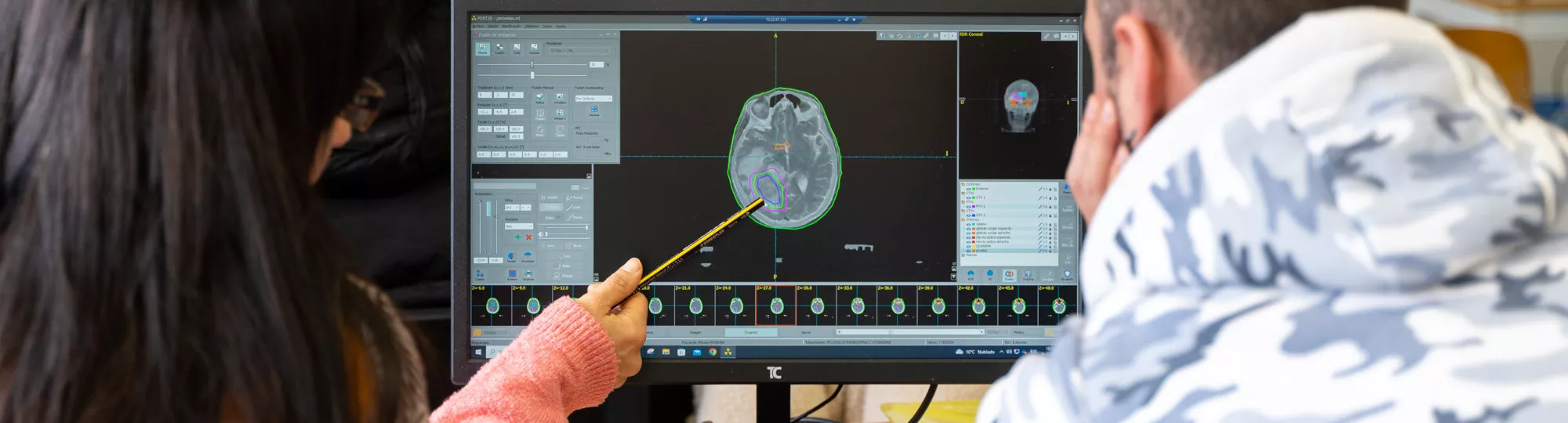
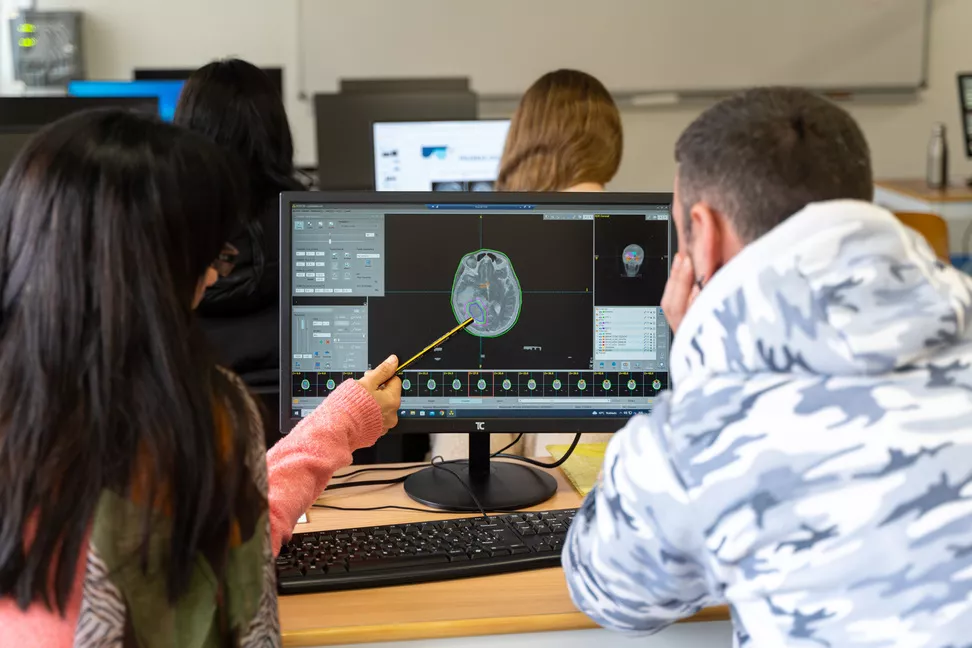
The holder of this diploma will have acquired the General Competence with regard to:
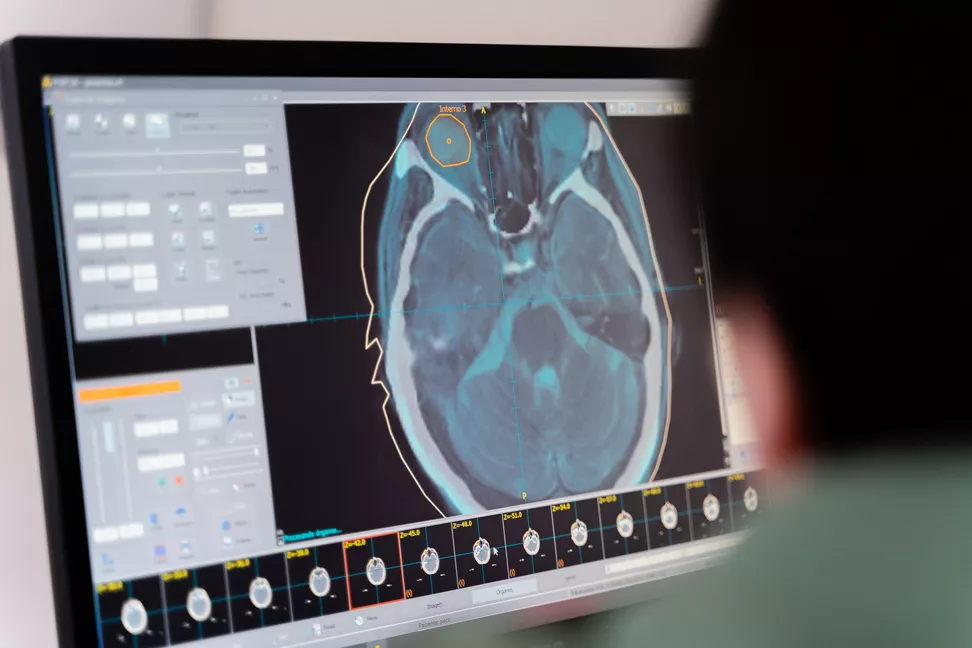
Obtaining graphic, morphological or functional records of the human body, with diagnosis and therapeutical purposes, from medical prescription, using equipment for diagnostic imaging and nuclear medicine, and attending patients during their stay in the unit, applying protocols of radioprotection and quality assurance, as well as those protocols established in the health care unit.
| Professional Module | Hours-total | Year |
| Simple Radiology Techniques. | 165 | 1st |
| Special Radiology Techniques. | 60 | 2nd |
| Techniques for Computed Tomography and Echography | 105 | 2nd |
| Techniques for Magnetic Resonance Imaging. | 90 | 2nd |
| Imaging Techniques in Nuclear Medicine. | 75 | 2nd |
| Radiopharmacy Techniques | 60 | 2nd |
| Patient Care. | 132 | 2nd |
| Personal itinerary for employability II | 63 | 2nd |
| Sustainability applied to productive sectors | 40 | 2nd |
|
Intermodular project
|
50 | 2nd |
| Optional modules | 84 | 2nd |
Access requires compliance with at least one of the following conditions:
- To be in possession of the Post-compulsory High School Diploma or a certificate proving that all subjects of the Post-compulsory High School have been passed.
- To have passed the third year of the Unified and Polyvalent Baccalaureate (BUP): Accreditation through academic certification of having passed all subjects leading to the Post-compulsory High School regulated by Law 14/1970, of 4 August, on General Education and Financing of Educational Reform, after completing the third year of aforesaid studies (Order EFP/1210/2021 of November 2, which establishes the equivalence, for the purposes of access to vocational training courses, of certain studies and qualifications prior to the current education system).
- To have passed the second year of the Experimental Post-compulsory High School (Bachillerato experimental).
- To be in possession of a Technician certificate (Intermediate-level Vocational Training).
- To be in possession of a Higher Technician or Specialist Technician certificate, or equivalent for academic purposes
- To have passed the University Orientation Course (COU).
- To be in possession of any university degree or equivalent.
- To have passed the entrance exam for higher-level training courses (it will be required to be at least 19 years old in the year the test is taken or 18 for those who have a Technician’s degree).
- To have passed the university entrance exam for those over 25 years old.
The Higher Technician in Diagnostic Imaging and Nuclear Medicine works in the public and private health sector, in units of radiodiagnosis and nuclear medicine, in research centres, institutes of legal medicine and forensic sciences, as well as in veterinary and animal testing centres, and hospital and pharmaceutical sales representatives, chemists and technicians in electromedicine applications. S/He works under the supervision of the corresponding medical specialist and the supervisor of the facilities, with the corresponding accreditation of radiation installations operator – awarded by the Spanish Nuclear Safety Council.
The most relevant occupations or jobs are the following:
- Higher Technician in Diagnostic Imaging.
- Expert technician in radiodiagnosis.
- Expert technician in nuclear medicine.
- Technical staff of equipment of medical radioelectrología.
- Technical staff in radiation protection.
- Technical staff in research and experimentation radiology.
- Hospital and pharmaceutical sales representative.
Or you continue studying:
- Professional specialization courses.
- Another Higher-level Vocational Training course with the possibility of establishing validations of professional modules in accordance with current regulations.
- University studies: this course allows you to access all areas of science, with the possibility of establishing validations in accordance with current regulations.
What am I going to learn?
- Organizing and managing the technician’s work area according to standardized procedures, applying storage and inventory control techniques.
- Differentiating normal and pathological images at a basic level, applying anatomical criteria. Verifying the operation of equipment, applying quality and safety procedures.
- Verifying the quality of the medical images obtained, following suitability criteria and quality control procedures for processing.
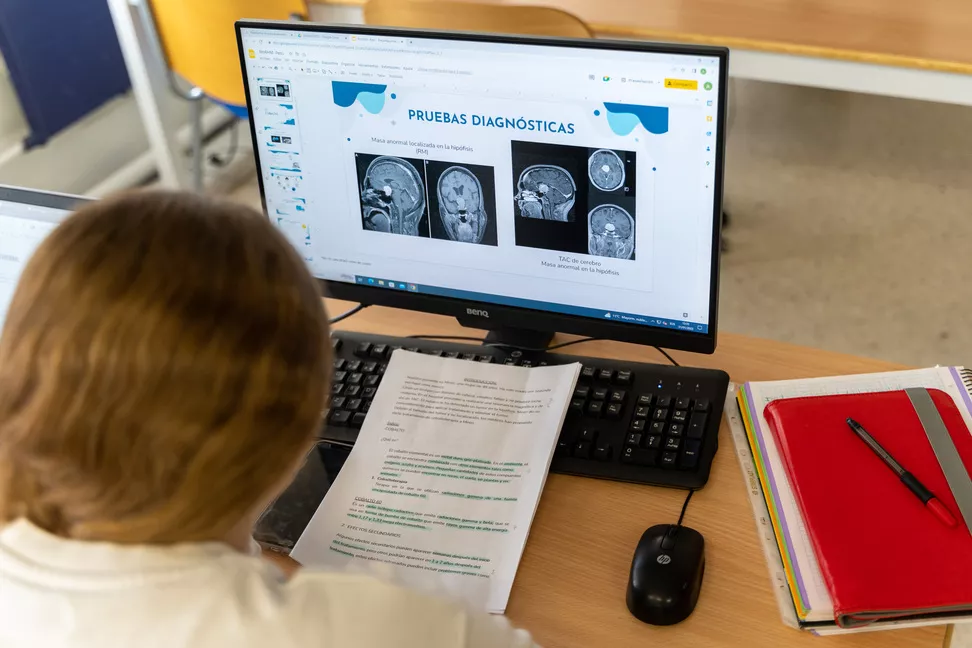
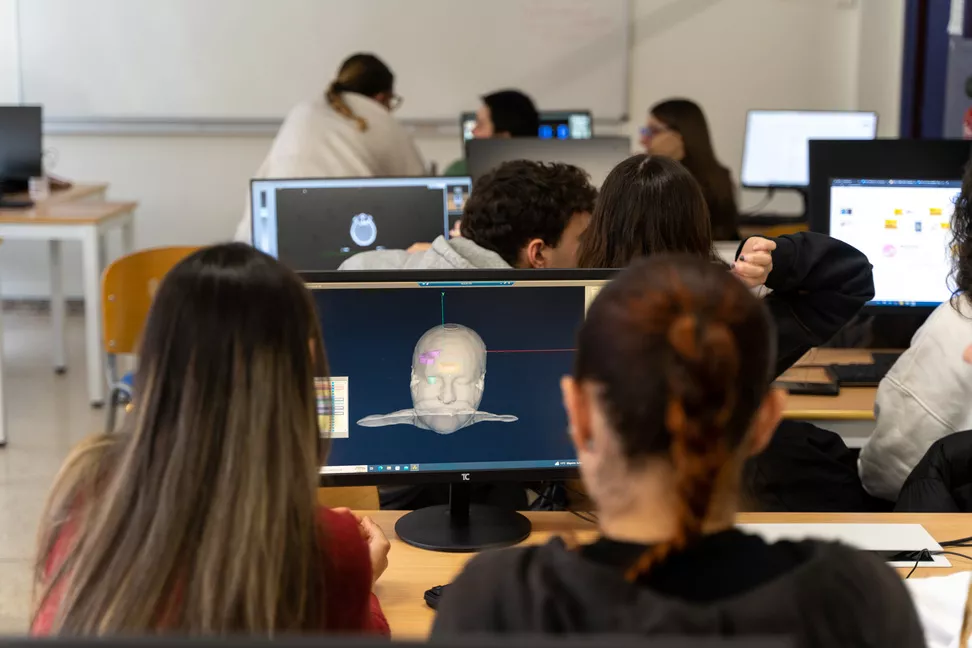
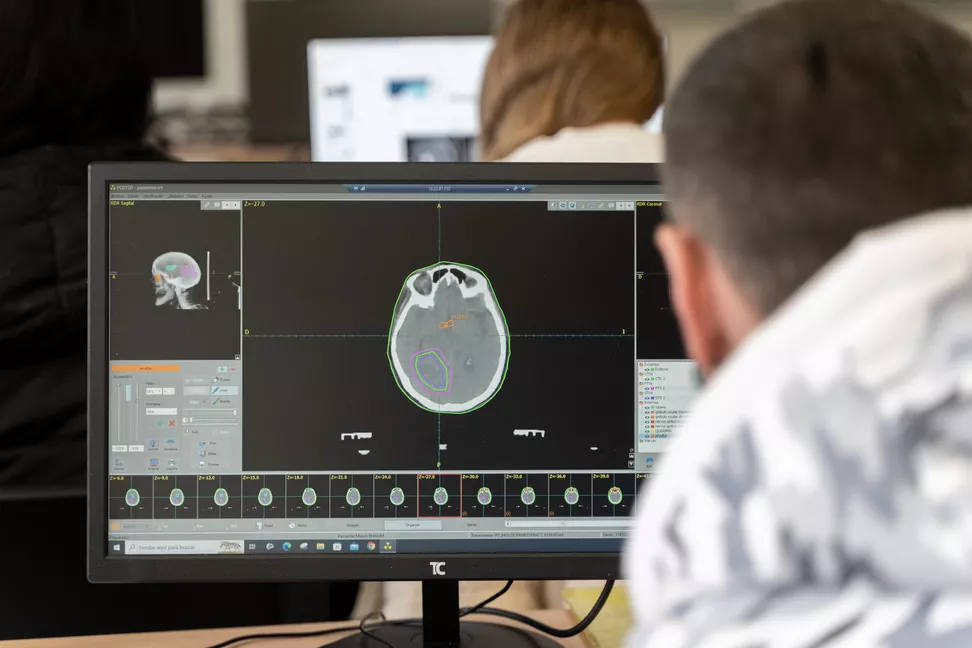
- Obtaining medical images using X-ray, magnetic resonance imaging (MRI), and nuclear medicine equipment, and collaborate in performing ultrasounds and/or other techniques used in the units or that may be incorporated in the future.
- Ensuring patient comfort and safety according to unit protocols.
- Obtaining radiopharmaceuticals under safe conditions for diagnostic imaging tests or treatment. Perform diagnostic analytical techniques using radioimmunoassay methods.
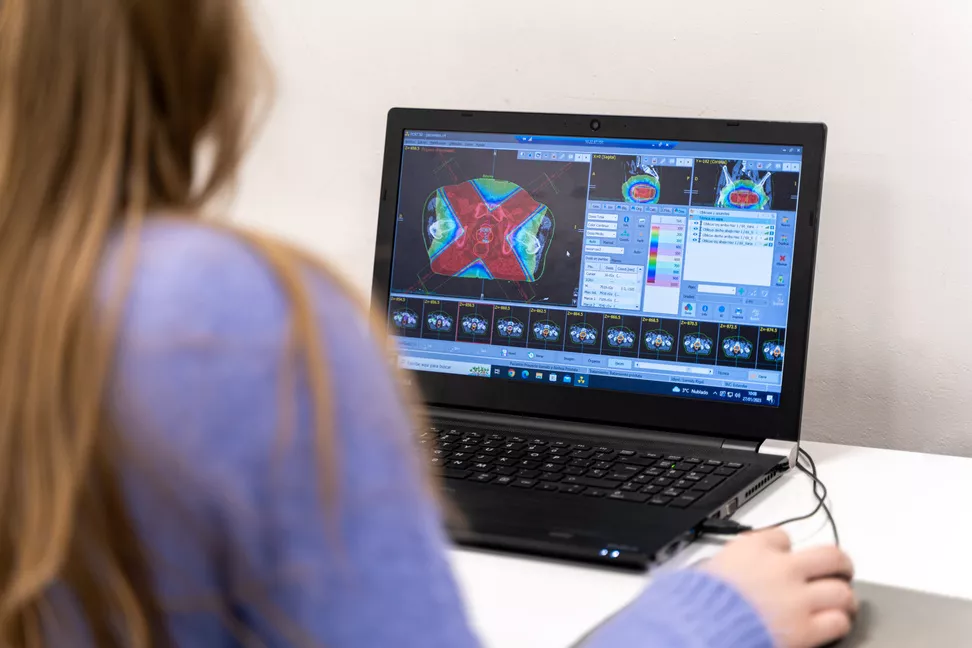
- Appling radiation protection procedures according to established protocols to prevent the biological effects of ionizing radiation.
This training includes the knowledge necessary to carry out basic-level occupational risk prevention activities.
Professional group: Health
Total duration: 1 year - Second year
- First year
- Second year
Model: A (Spanish) or D (Basque)
Shift: Evening
Methodology: Challenge-based collaborative learning